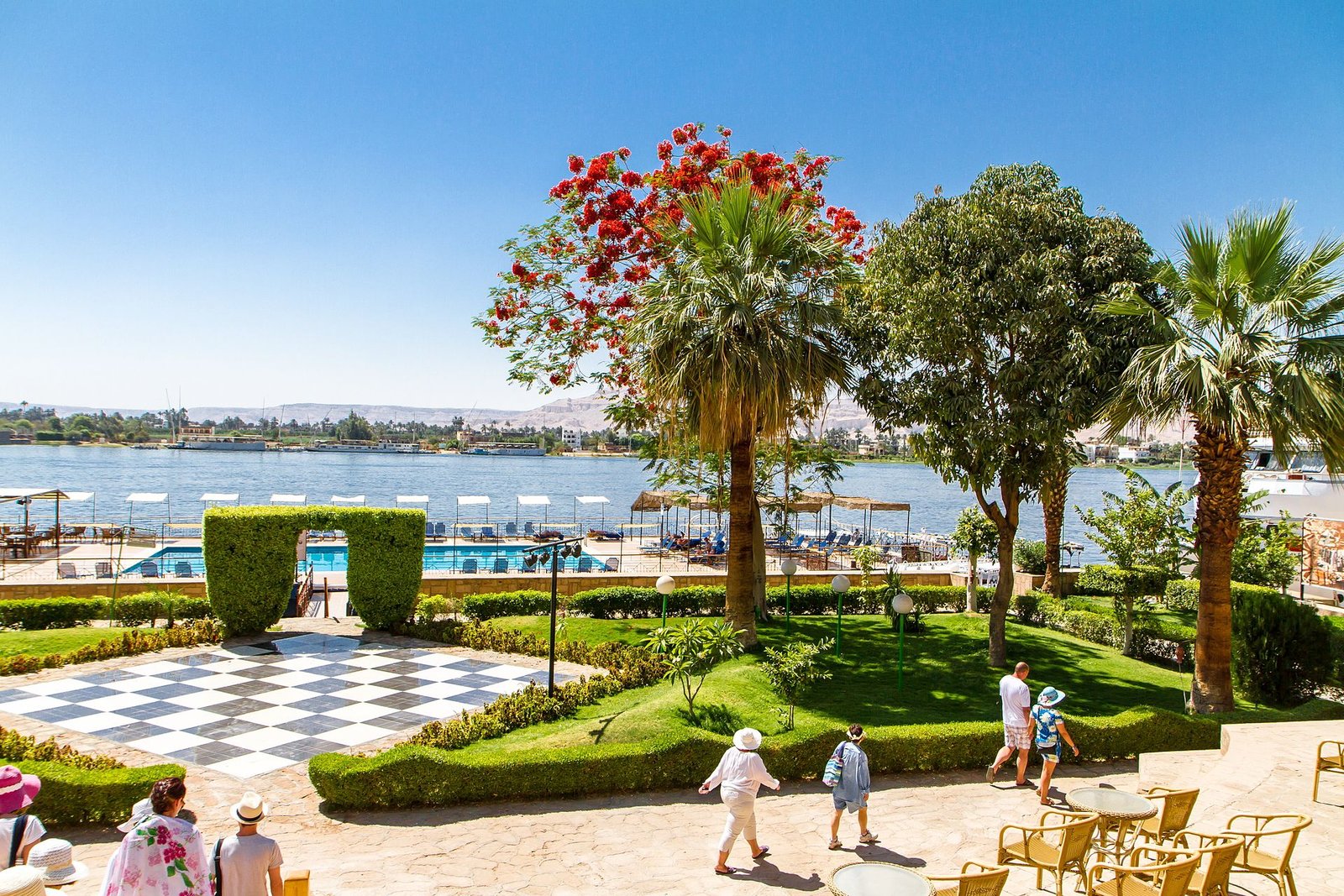
Luxor[a] is a city in Upper Egypt, which includes the site of the Ancient Egyptian city of Thebes. Luxor had a population of 263,109 in 2020,[2] with an area of approximately 417 km2 (161 sq mi)[1] and is the capital of the Luxor Governorate. It is among the oldest continuously inhabited cities in the world.
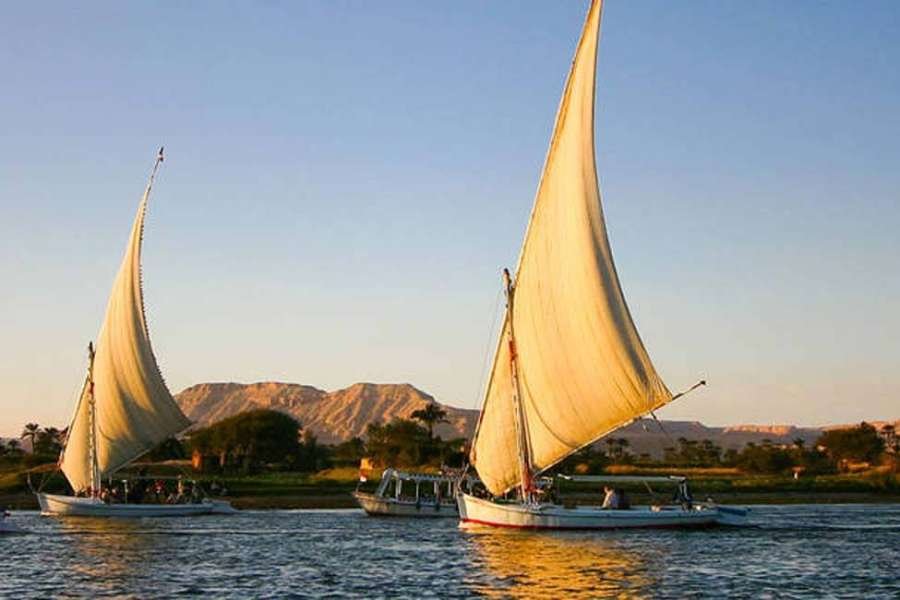
Luxor has frequently been characterized as the ''world's greatest open-air museum'', as the ruins of the Egyptian temple complexes at Karnak and Luxor stand within the modern city. Immediately opposite, across the River Nile, lie the monuments, temples and tombs of the West Bank Theban Necropolis, which includes the Valley of the Kings and the Valley of the Queens. Thousands of tourists from all around the world arrive annually to visit Luxor's monuments, contributing greatly to the economy of the modern city. Yusuf Abu al-Haggag is the prominent Muslim historical figure of Luxor.
Luxor Tour :
the West Bank where you will visit The
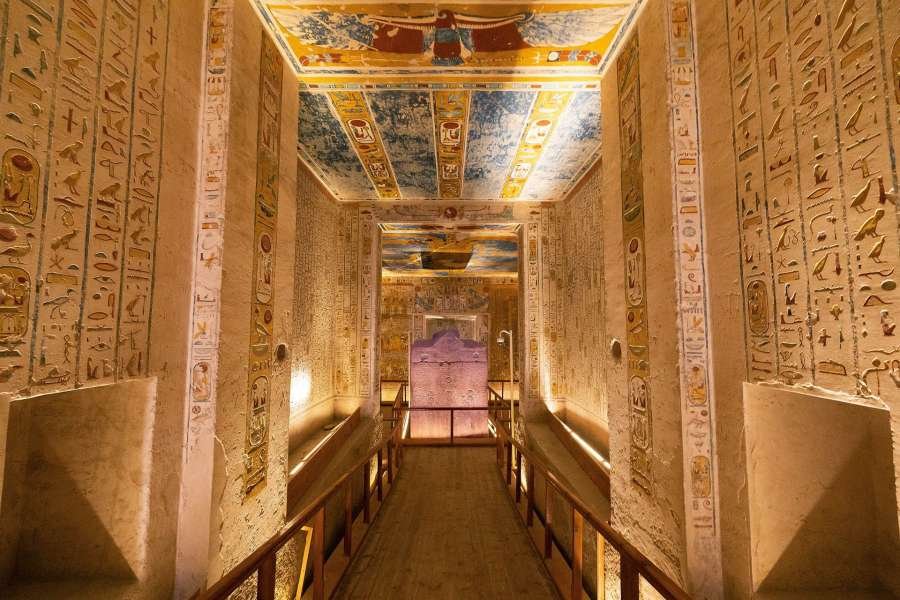
Valley Of The Kings, The rulers of the Eighteenth, Nineteenth, and
Twentieth Dynasties of Egypt’s prosperous New Kingdom (c.1550–1069 BC)
were buried in a desolate dry river valley across the river from the ancient
city of Thebes (modern Luxor), hence its modern name of the Valley of the
Kings. This moniker is not entirely accurate, however, since some members of
the royal family aside from the king were buried here as well, as were a few
non-royal, albeit very high-ranking, individuals. The Valley of the Kings is
divided into the East and West Valleys. The eastern is by far the more iconic
of the two, as the western valley contains only a handful of tombs. In all, the
Valley of the Kings includes over sixty tombs and an additional twenty
unfinished ones that are little more than pits.
Followed by a visit to The Temple of Queen
Hatshepsut, Hatshepsut (c.1473–1458 BC), the queen who became
pharaoh, built a magnificent temple at Deir al-Bahari, on the west back of
Luxor. It lies directly across the Nile from Karnak Temple, the main sanctuary
of the god Amun. Hatshepsut’s temple, Djeser-djeseru “the Holy
of Holies” was designed by the chief steward of Amun, Senenmut.
Then continue your day Tour to The Colossi of
Memnon, Hatshepsut (c.1473–1458 BC), the queen who became
pharaoh, built a magnificent temple at Deir al-Bahari, on the west back of
Luxor. It lies directly across the Nile from Karnak Temple, the main sanctuary
of the god Amun. Hatshepsut’s temple, Djeser-djeseru “the Holy
of Holies” was designed by the chief steward of Amun, Senenmut.
Then Transfer to the East Bank visits
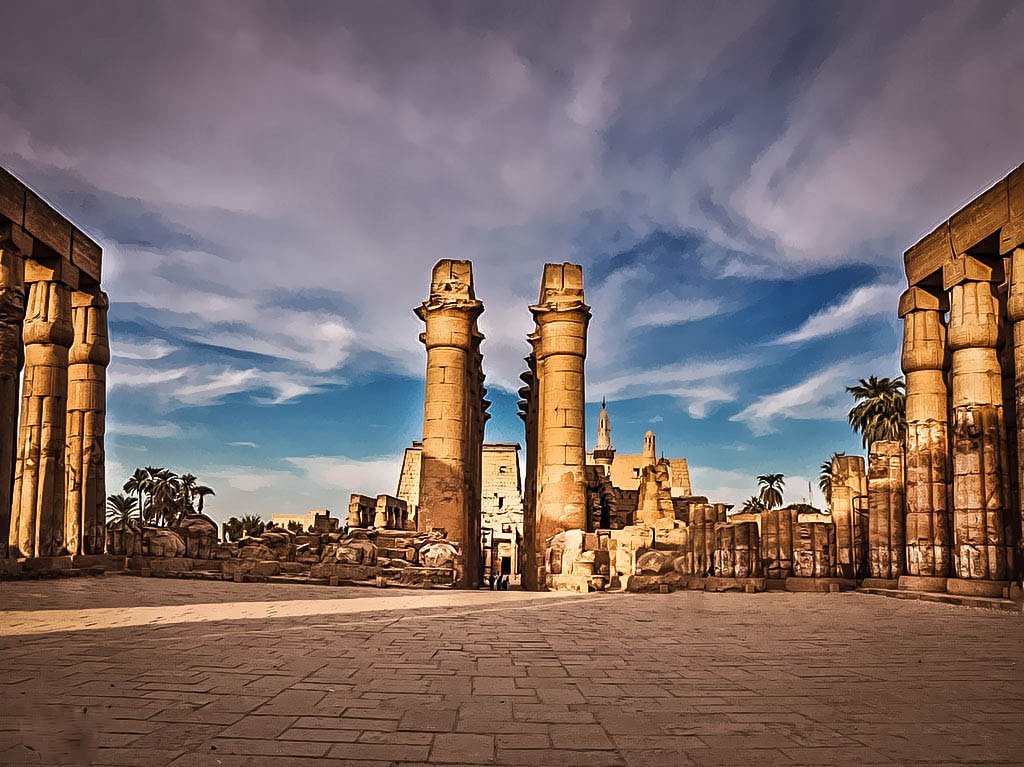
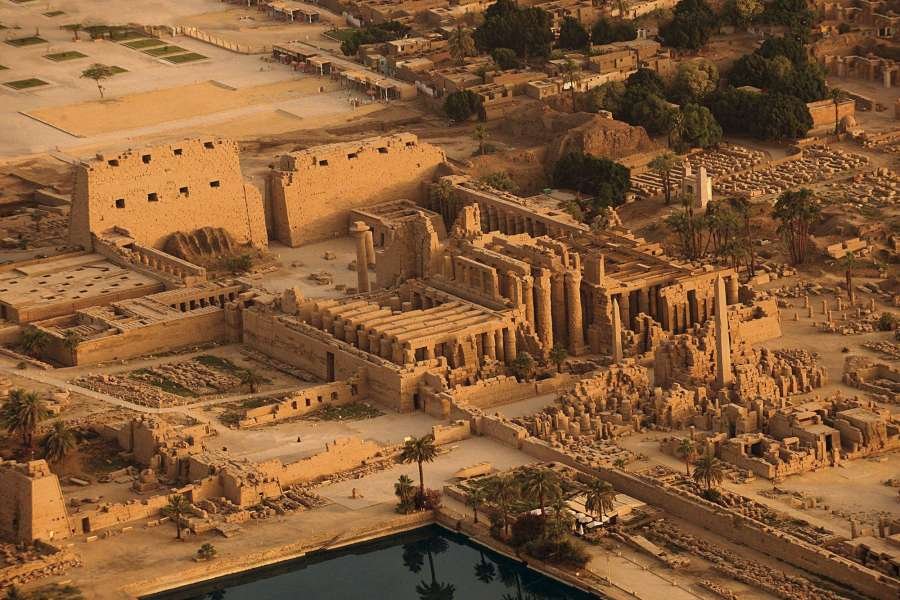
in Luxor to continue your day Tour visiting Karnak Temple, The
Karnak temple complex at Luxor developed over more than 1,000 years,
principally between the Twelfth and Twentieth Dynasties. It was, at its peak,
the largest and most important religious complex in ancient Egypt. The most
significant structure, and the largest religious building ever built, is the
Temple of Amun-Ra, considered to be where that god lived on earth with his
wife, Mut, and son, Khonsu, who also have temples at the site. The Temple of
Amun-Ra is particularly famous for the vast Hypostyle Hall constructed during
the reign of Seti I. After Memphis became the new dynastic capital, many of
Luxor’s temples declined in importance. In later centuries, Ptolemaic rulers
and Coptic Christians altered parts of the complex for their own uses.
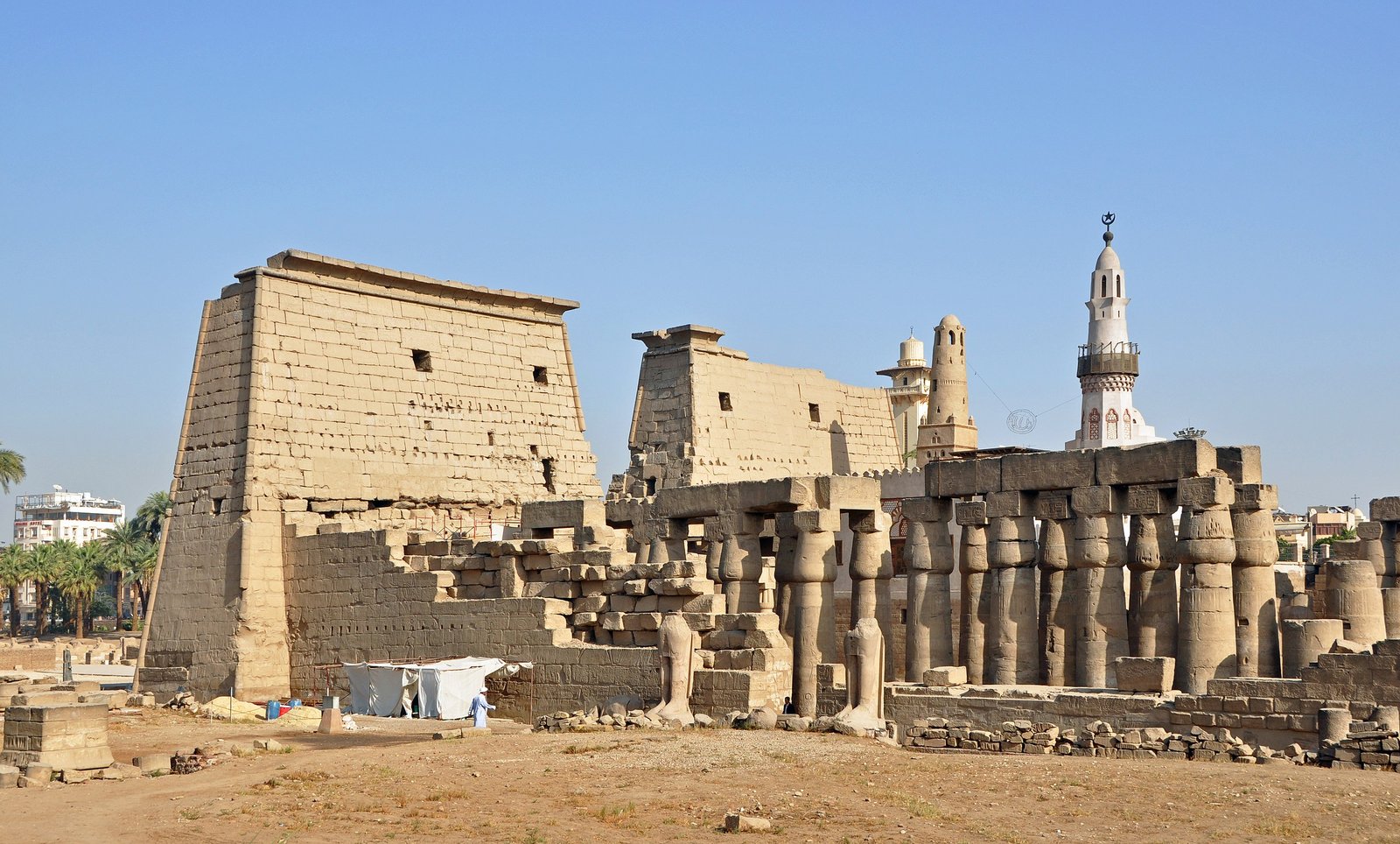
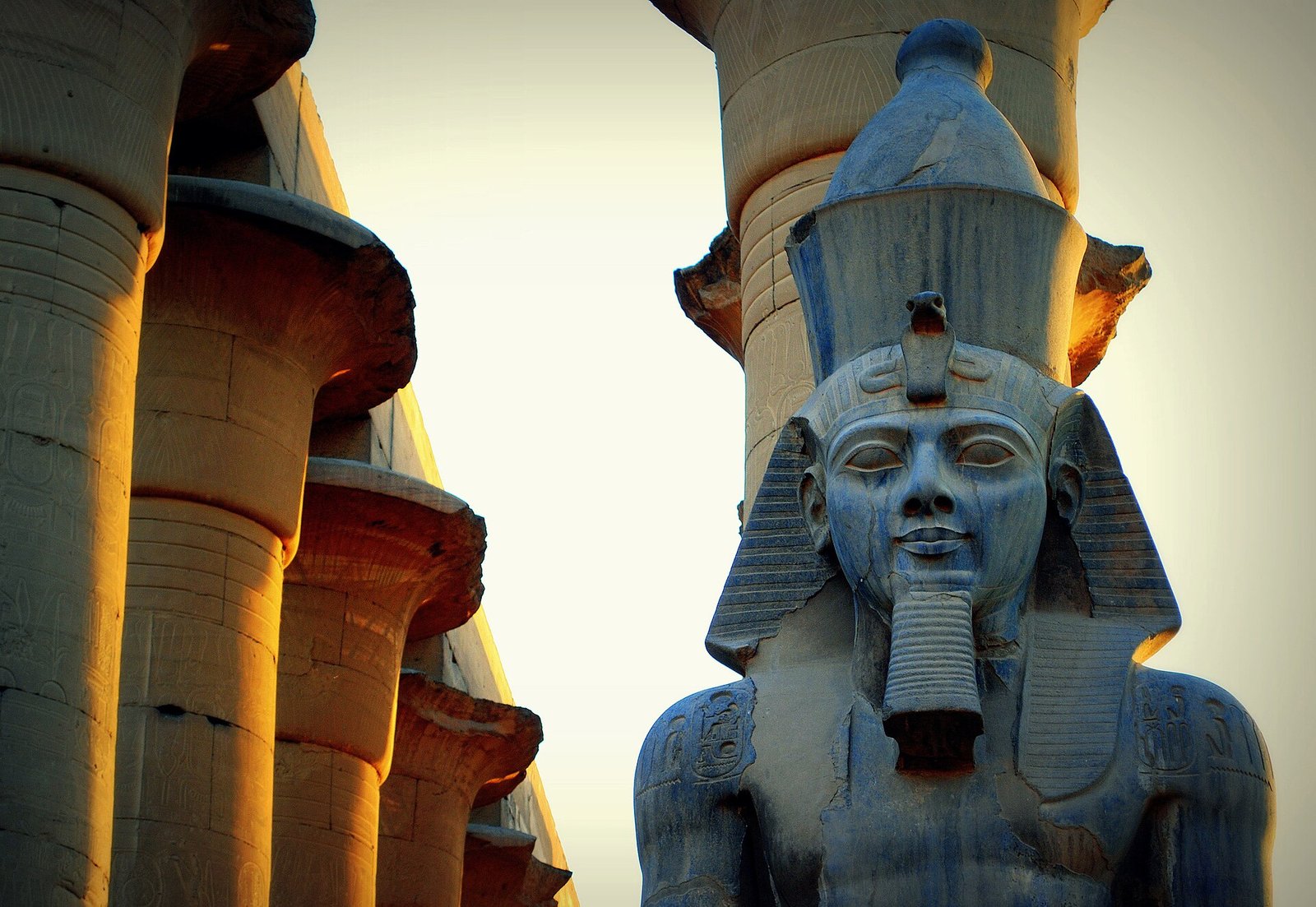
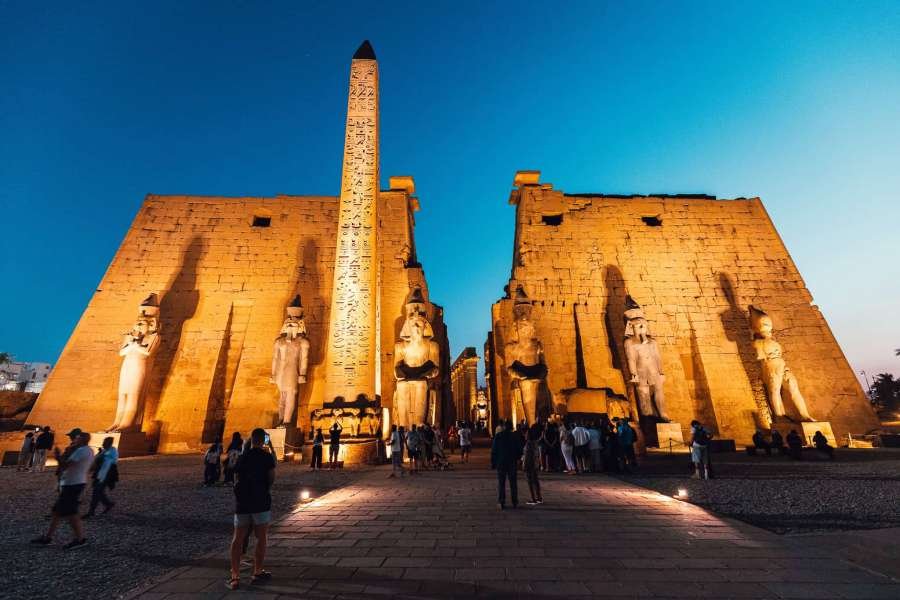
Finish your day tour by visiting The Temple
of Luxor, Luxor Temple, Ipet-resyt “Southern Sanctuary”
to the ancient Egyptians, was so called because of its location within ancient
Thebes (modern Luxor). It is located around three kilometers to the south of
Karnak Temple, to which it was once linked with a processional way bordered
with sphinxes. The oldest evidence for this temple dates to the Eighteenth
Dynasty (c.1550–1295 BC).